skip to main |
skip to sidebar
Recent Posts


 It was an interesting experience to say the least. I think it is definitely a city worth visiting if you are in Northern Italy as it is a city with enormous potential for development. I do not think I would go back anytime soon but I would love to see the improvement of this once wealthy city and capital of Italy. It was like a whole city surrounding South Street Seaport in NYC before its' renovation. It is the largest medieval city in Italy with a labyrinth of the tiny streets, called Caruggi, making it very easy to get lost. On our tour, we saw the beautiful Piazza De Ferrari, Cathedral of Genoa, and went down the infamous Via Garibaldi (formerly known as Strada Nuova) which is on the World Heritage List of UNESCO. It is known for its beautiful, ancient banks turned palaces that line the entire street. We had a delicious traditional Genovese lunch at Locanda Spinola, an authentic Genovese restaurant we stumbled upon. We all had Taglietti (some sort of thick square pasta only made in the southern Liguria region of Italy) with potatoes and string beans in pesto sauce, we toured the city some more and went to the aquarium! It's the second largest in Europe and Genoa's main tourist attraction. After the aquarium, we went down Via del Campo, a famous street with many songs written about it. It was red-light district and is now an area of poverty filled with poor immigrants. Contemporary Genoa is a good example of a process of renovation and re-invention that in the last decades has touched many European cities such as Barcelona. Many European cities in the post-industrial Europe have operated to recuperate their neglected cities. Overall, the trip gave us a glimpse of an Italian city that is trying hard at urban renovation and restoration. I think Genoa has a lot of potential and I hope that the Italian government will continue to revive this once great Medieval city


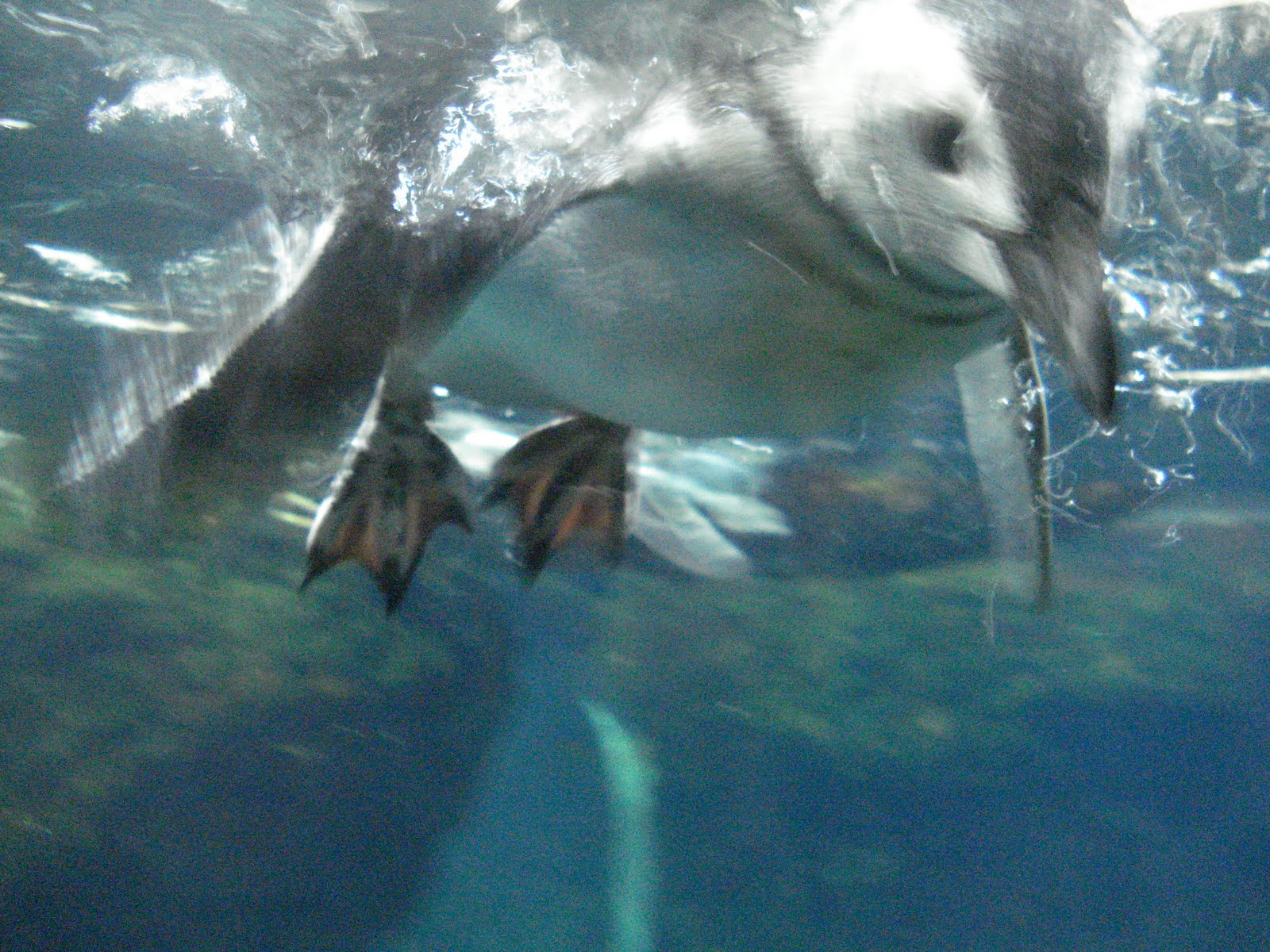 It was an interesting experience to say the least. I think it is definitely a city worth visiting if you are in Northern Italy as it is a city with enormous potential for development. I do not think I would go back anytime soon but I would love to see the improvement of this once wealthy city and capital of Italy. It was like a whole city surrounding South Street Seaport in NYC before its' renovation. It is the largest medieval city in Italy with a labyrinth of the tiny streets, called Caruggi, making it very easy to get lost. On our tour, we saw the beautiful Piazza De Ferrari, Cathedral of Genoa, and went down the infamous Via Garibaldi (formerly known as Strada Nuova) which is on the World Heritage List of UNESCO. It is known for its beautiful, ancient banks turned palaces that line the entire street. We had a delicious traditional Genovese lunch at Locanda Spinola, an authentic Genovese restaurant we stumbled upon. We all had Taglietti (some sort of thick square pasta only made in the southern Liguria region of Italy) with potatoes and string beans in pesto sauce, we toured the city some more and went to the aquarium! It's the second largest in Europe and Genoa's main tourist attraction. After the aquarium, we went down Via del Campo, a famous street with many songs written about it. It was red-light district and is now an area of poverty filled with poor immigrants. Contemporary Genoa is a good example of a process of renovation and re-invention that in the last decades has touched many European cities such as Barcelona. Many European cities in the post-industrial Europe have operated to recuperate their neglected cities. Overall, the trip gave us a glimpse of an Italian city that is trying hard at urban renovation and restoration. I think Genoa has a lot of potential and I hope that the Italian government will continue to revive this once great Medieval city

